
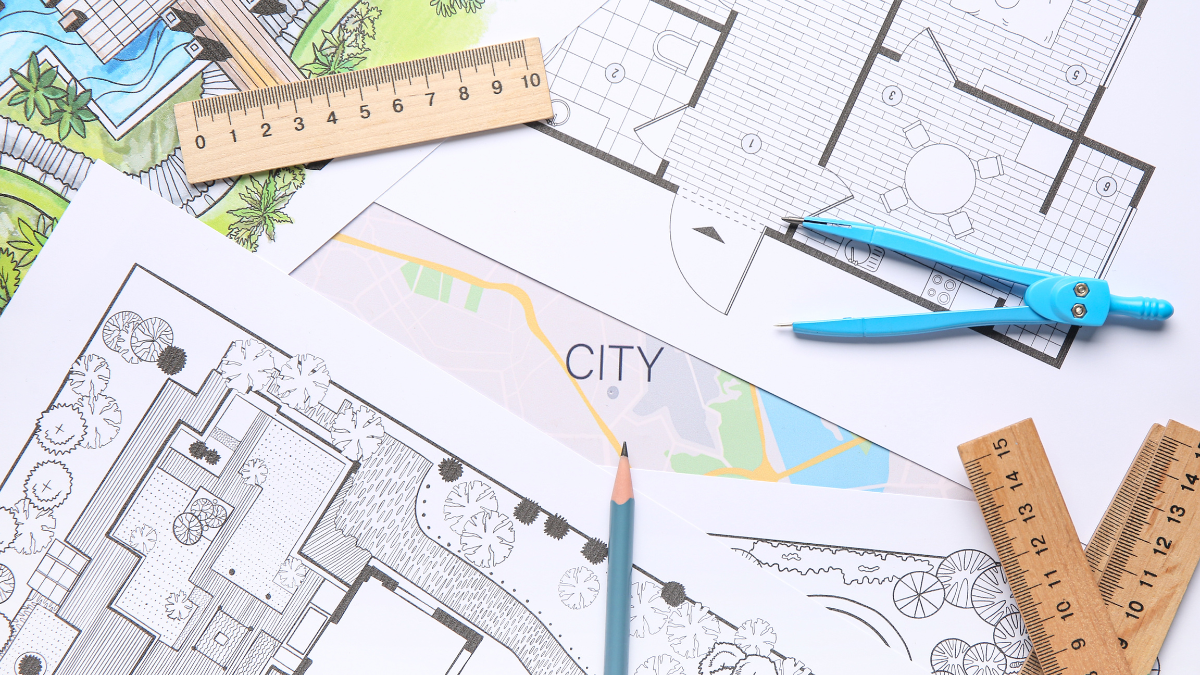
In commercial real estate, the right location isn’t just about visibility or square footage — it’s also about what local zoning laws will allow you to do with the property.
Zoning regulations shape everything from permitted business uses to building height, parking requirements, and future expansion potential. Knowing how to navigate these rules can make all the difference between a smooth, on-time project and one stalled by red tape or unexpected limitations.
Read on to learn how to navigate zoning laws and land use regulations in commercial real estate, and how the team at APPRO Development and CERRON Commercial Properties can help.
What Do Zoning Laws Regulate?
Zoning laws determine how land can be used within a municipality or jurisdiction. They divide a community into different zones or districts, each with its own set of rules about how the land can be used. These laws help preserve the character of neighborhoods, guide urban growth, ensure public safety, and protect property values.
Zoning regulations control things like:
- Permitted uses for the land
- Building height and density
- Setbacks and lot coverage
- Parking requirements
- Signage
- Environmental or historic restrictions
As a prospective commercial property owner, understanding these laws will be a critical part of choosing the right property for your business — whether you choose to lease, buy, or build.
1. Start With the Zoning Code
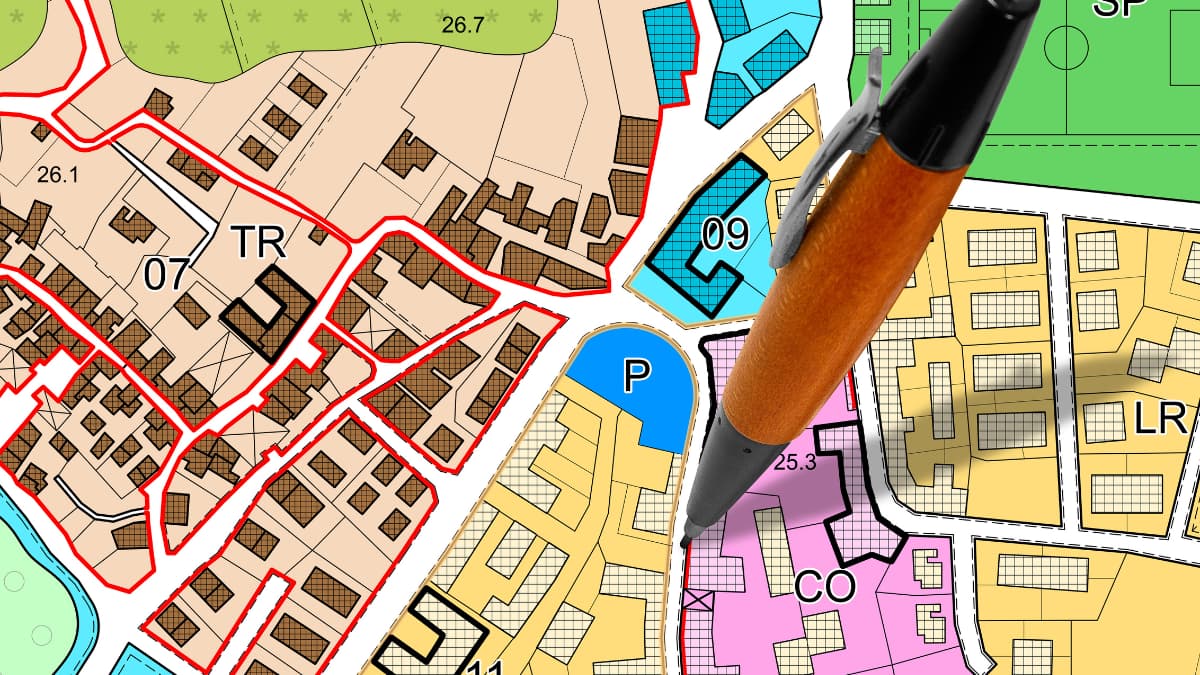
Before you buy or develop a property, it’s important to first verify local zoning codes to ensure your planned use is allowed for that property:
- Identify the property’s current zoning classification. Most municipalities publish zoning maps and ordinances online so you can see if your property is zoned for retail, office, industrial, mixed-use, or another use.
- Review “by-right,” “conditional,” and prohibited uses. (More on this in the next section.)
- Understand dimensional rules, such as building height and setbacks.
- Check for overlay districts that could affect your business (historic, floodplain, transit-oriented).
2. Understand “By-Right” vs. “Conditional” Uses
“By-right” uses of a property are automatically allowed if stated standards are met.
“Conditional,” or special uses, on the other hand, require the approval of a planning commission or city council.
Obtaining approval for a conditional use often involves a public hearing — and potential opposition — which can extend your project timeline. If your project will require a conditional use approval, make sure to factor this into your schedules and costs.
3. What To Do When Zoning Doesn’t Match Your Vision
If you find that your intended use isn’t permitted on your chosen property, you may still have options. These include:
- Variance. A legal exception to specific zoning rules (ex: setbacks), granted by the local government in cases where strict adherence to zoning rules would cause undue hardship.
- Rezoning. Changing the zoning classification entirely. This can be a lengthy process that requires petitions, public hearings, and local government approval.
- Text amendment. Modifying zoning language that affects multiple properties.
Each of these options will require you to provide sufficient justification and documentation, as well as submit to a public review. This process can significantly alter your project timeline, so it’s important to find out early on if a property’s zoning will allow for your intended use.
4. Conduct Due Diligence Early

Before you get too deep into your project (ideally before you purchase or lease a property), you’ll need to conduct thorough due diligence:
- Order a zoning report. This will include: the current zoning classification; setback and parking requirements; height and floor measurements; any outstanding code violations (zoning, building, fire); and notice of variances related to special permits.
- Confirm utilities, access, and easements.
- Review comprehensive plans to determine future land-use intentions.
- Check for pending zoning changes or moratoriums.
A commercial real estate agent can handle this due diligence for you to ensure the property complies with all local zoning codes. In addition, they’ll also research the property’s zoning history and that of neighboring properties and identify potential issues that could affect your plans for the property.
5. Work With the Right Professionals
Because zoning codes are full of legal and technical jargon, it’s wise to consult with professionals who work in this space every day. These can include land use attorneys, civil engineers, urban planners, and local commercial real estate agents (like the team at CERRON Commercial Properties).
These professionals can help you navigate zoning codes to ensure you understand any restrictions or opportunities available. They’ll also help with site selection, perform due diligence on the property, obtain necessary permits, facilitate rezoning negotiations, and provide insight into zoning trends so you can plan for future development.
In addition to their expertise in these areas, the right professionals will also have established local relationships that can help you navigate the zoning process and streamline needed approvals.
6. Communicate With the Municipality
Another important thing to do early in your development planning is to have discussions with municipality planning staff. Doing so can help reveal hidden constraints, identify alternative paths to approval, and clarify timelines and political considerations.
Note: It’s best to approach these conversations collaboratively, not adversarially. Think of local planning staff as necessary partners in the successful completion of your project — not obstacles to it.
7. Plan for Time and Flexibility

Make sure to include some flexibility in your project timeline, especially if you need to request a variance or rezoning. Obtaining approvals for zoning changes can take several months … or longer.
Any successful commercial real estate project will:
- Build buffers into the timeline
- Prepare backup site plans
- Anticipate conditions of approval
In conclusion, zoning laws don’t just regulate development — they shape project feasibility. And, as you can see, navigating zoning laws and land use regulations in commercial real estate can be a complex process.
Understanding codes early, engaging the right experts, and working proactively with municipality staff can turn regulatory hurdles into manageable steps and avoid costly surprises.
When you work with APPRO Development and CERRON Commercial Properties, we’ll be by your side from start to finish — helping you find the right property, performing site feasibility studies, designing and building (or modifying an existing space), and pricing out all your options.
Our team is ready and waiting — contact us today to get started on your next commercial real estate project.
Not sure whether to Lease, Buy or Build?
 Our guide can help! Fill out the form to download.